

**The Comprehensive Guide to the Scrapyard Process and Its Implications**
Key Takeaways
- Scrapyards dismantle vehicles, salvaging parts and recycling materials to reduce waste.
- Proper disposal of hazardous materials like oil and batteries is crucial to minimize environmental harm.
- Legal documentation is required to transfer vehicle ownership and comply with regulations.
- Donating or recycling your vehicle can offer tax benefits and support charitable causes.
- Choosing a reputable scrapyard ensures responsible handling and maximizes recycling opportunities.
The scrapyard process is a vital component of the automotive lifecycle, providing a sustainable solution for end-of-life vehicles. When a vehicle reaches the end of its operational life, it often finds its way to a scrapyard, where it undergoes a systematic dismantling process. This begins with the assessment of the vehicle’s condition, where professionals evaluate its parts for salvageability.
Vehicles that are no longer roadworthy can still contain valuable components that can be reused or recycled, making the scrapyard an essential hub for resource recovery.
Once the assessment is complete, the vehicle is stripped of its usable parts. This includes everything from engines and transmissions to smaller components like batteries and electronics. The remaining shell is then crushed and processed for metal recovery. This meticulous process not only maximizes the recovery of valuable materials but also minimizes waste, ensuring that as much of the vehicle as possible is repurposed or recycled. The scrapyard process is not just about disposal; it’s about transforming waste into resources, contributing to a circular economy.
After scrapping your car, you might be wondering about the next steps and potential benefits. A related article that provides valuable insights is titled “Donate or Get Paid: Top Cash for Junk Cars – Turn Your Cash for Cars into a Tax Deduction in St. Paul.” This article discusses how you can maximize your financial return from scrapping your vehicle, including the option to donate it for a tax deduction. You can read more about it by following this link: Donate or Get Paid: Top Cash for Junk Cars.
Environmental Impact
The environmental impact of scrapyards is significant and multifaceted. On one hand, they play a crucial role in reducing landfill waste by diverting vehicles that would otherwise contribute to environmental degradation. By recycling metals and other materials, scrapyards help conserve natural resources and reduce the energy consumption associated with producing new materials. For instance, recycling aluminum saves up to 95% of the energy required to produce new aluminum from raw ore, highlighting the importance of scrapyards in energy conservation.
Moreover, scrapyards help mitigate pollution by ensuring that hazardous materials are handled properly. Vehicles contain various fluids and substances that can be harmful to the environment if not disposed of correctly. By adhering to strict regulations and best practices, scrapyards minimize the risk of soil and water contamination, thus protecting local ecosystems. The environmental benefits of scrapyards extend beyond immediate waste management; they contribute to broader sustainability goals by promoting responsible consumption and resource management.
Disposal of Hazardous Materials
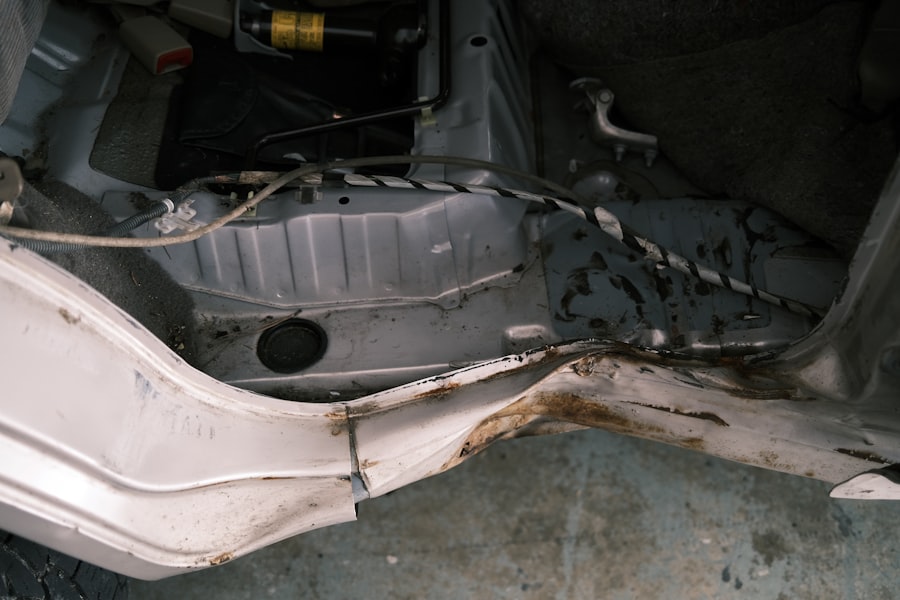
One of the most critical aspects of the scrapyard process is the safe disposal of hazardous materials. Vehicles often contain substances such as oil, coolant, brake fluid, and batteries, all of which can pose significant environmental risks if not managed properly. Scrapyards are equipped with specialized facilities and trained personnel to handle these materials safely. They follow stringent regulations to ensure that hazardous substances are removed and disposed of in compliance with environmental laws.
The disposal process typically involves draining all fluids from the vehicle before it is dismantled. These fluids are then stored in designated containers for proper disposal or recycling. Batteries, which contain toxic chemicals like lead and acid, are also removed and sent to facilities that specialize in battery recycling. By managing hazardous materials effectively, scrapyards not only protect the environment but also safeguard public health, demonstrating their commitment to responsible waste management practices.
Salvaging Useful Parts
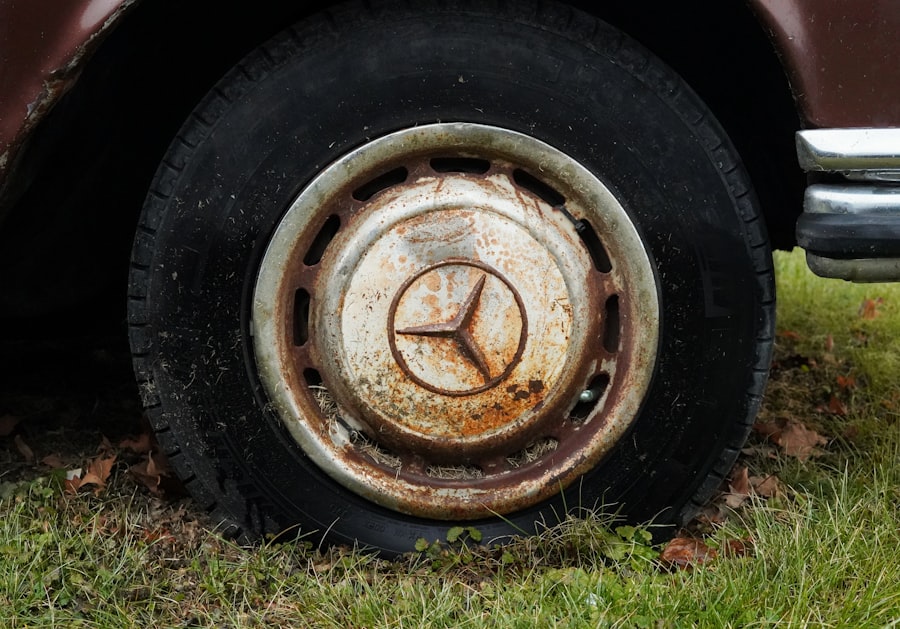
Salvaging useful parts is a key function of scrapyards that benefits both consumers and the environment. Many vehicles still have functional components that can be reused in other vehicles or sold as aftermarket parts. This practice not only extends the life of these parts but also provides cost-effective solutions for consumers looking for affordable repairs. For instance, a used engine or transmission can be significantly cheaper than purchasing a new one, making it an attractive option for budget-conscious car owners.
In addition to financial savings, salvaging parts contributes to sustainability by reducing the demand for new manufacturing. Each part that is reused means less energy consumed in production and fewer raw materials extracted from the earth. Scrapyards often maintain inventories of salvaged parts, allowing customers to find what they need without contributing to further resource depletion. This practice fosters a culture of reuse and recycling within the automotive industry, aligning with broader environmental goals.
When considering the process of scrapping your car, it’s important to understand the various options available to you afterward. Many people are unaware that they can not only receive cash for their junk vehicles but also potentially benefit from tax deductions. For more information on how to turn your scrap car removal into a financial advantage, you can read this insightful article on donating or getting paid for junk cars. This resource can help you navigate the next steps after scrapping your vehicle and maximize its value.
Recycling Opportunities
| Metric | Description | Typical Value/Range | Notes |
|---|---|---|---|
| Vehicle Weight Recycled | Amount of metal and materials recovered from scrapped car | 1,000 – 1,500 kg | Includes steel, aluminum, and other metals |
| Cash Received | Payment to owner for scrapped vehicle | 50 – 300 | Varies by vehicle condition and scrap metal prices |
| Environmental Impact Reduction | Reduction in landfill waste and pollution | Up to 90% | Recycling metals reduces need for mining |
| Parts Resold | Percentage of usable parts salvaged and sold | 30% – 50% | Depends on vehicle age and condition |
| Time to Process | Average time from scrapping to recycling completion | 1 – 3 weeks | Includes dismantling, draining fluids, and shredding |
| Hazardous Materials Removed | Fluids and components safely extracted | 100% removal required | Includes oil, coolant, batteries, and fuel |
Recycling opportunities at scrapyards extend beyond just metal recovery; they encompass a wide range of materials that can be repurposed or recycled. Metals such as steel and aluminum are the most commonly recycled materials in vehicles, but other components like plastics, glass, and rubber also have significant recycling potential. For example, tires can be repurposed into various products, including playground surfaces and road asphalt, while plastics can be recycled into new automotive parts or other consumer goods.
The recycling process at scrapyards involves sorting materials into different categories before they are sent to specialized recycling facilities. This ensures that each material is processed correctly and efficiently, maximizing recovery rates. By promoting recycling opportunities, scrapyards play a crucial role in reducing waste and conserving resources, contributing to a more sustainable future for the automotive industry and beyond.
When considering the process of scrapping your car, it’s essential to understand what happens next and how you can maximize your benefits. After you scrap your vehicle, you may want to explore options for selling other cars, particularly if you own a Lexus RX. For insights on getting top cash for your Lexus RX junk car, you can read more in this informative article. Understanding these steps can help you make the most of your vehicle’s value and ensure a smooth transition to your next automotive venture. To learn more, check out the article on selling your Lexus RX.
Legal Documentation
Navigating the legal documentation associated with vehicle disposal can be daunting for many individuals. However, it is an essential part of the scrapyard process that ensures compliance with local laws and regulations. When you bring your vehicle to a scrapyard, you will typically need to provide proof of ownership, such as a title or registration document. This step is crucial in preventing illegal dumping and ensuring that vehicles are disposed of responsibly.
In addition to ownership documentation, scrapyards often provide customers with a receipt or certificate of destruction once the vehicle has been processed. This document serves as proof that the vehicle has been properly disposed of and can be important for legal or insurance purposes. Understanding the legal requirements associated with vehicle disposal not only protects you as a consumer but also supports the scrapyard’s efforts to operate within legal frameworks.
Potential Tax Benefits
Many individuals may not realize that disposing of a vehicle through a scrapyard can offer potential tax benefits. In some jurisdictions, you may be eligible for tax deductions if you donate your vehicle to a qualified charity or nonprofit organization instead of scrapping it outright. This can provide a financial incentive for those looking to dispose of their vehicles while also supporting a good cause.
Additionally, if you receive compensation for your vehicle at a scrapyard—whether through cash or credit towards another purchase—this may also have tax implications. It’s advisable to consult with a tax professional to understand how these transactions may affect your tax situation. By being informed about potential tax benefits associated with vehicle disposal, you can make more financially savvy decisions while contributing positively to your community.
Replacing Your Vehicle
When considering replacing your vehicle, understanding the role of scrapyards can be beneficial in making informed decisions. If your current vehicle is no longer reliable or cost-effective to maintain, scrapping it may be a viable option before purchasing a new one. Many people choose to trade in their old vehicles at dealerships; however, scrapyards often provide competitive pricing for vehicles that may not have significant resale value.
Before replacing your vehicle, it’s essential to assess your needs and budget carefully. Consider factors such as fuel efficiency, maintenance costs, and insurance rates when selecting a new vehicle. Additionally, researching different models and their long-term reliability can help you make an informed choice that aligns with your lifestyle and financial goals. By understanding how scrapyards fit into this process, you can maximize your return on your old vehicle while making a smart investment in your next one.
Donating Your Vehicle
Donating your vehicle is an increasingly popular option for those looking to dispose of their old cars while making a positive impact on their community. Many charities accept vehicle donations as a way to fund their programs and services. When you donate your car instead of scrapping it, you not only help those in need but may also qualify for tax deductions based on the fair market value of your vehicle.
Before donating your vehicle, it’s important to research organizations that accept donations and ensure they are reputable charities. Some organizations may even offer free towing services for donated vehicles, making the process more convenient for you. By choosing to donate rather than scrap your vehicle, you contribute to charitable causes while potentially benefiting financially through tax deductions.
Alternative Transportation Options
As urban areas continue to grow and evolve, alternative transportation options are becoming increasingly popular among consumers looking for sustainable mobility solutions. Public transportation systems such as buses and trains offer cost-effective ways to navigate cities without relying on personal vehicles. Additionally, ridesharing services like Uber and Lyft provide flexible transportation options for those who may not need a car on a daily basis.
Bicycles and electric scooters have also gained traction as eco-friendly alternatives for short-distance travel. Many cities now offer bike-sharing programs that allow residents and visitors to rent bicycles for short trips, promoting healthier lifestyles while reducing traffic congestion and emissions. Exploring these alternative transportation options can help individuals reduce their reliance on personal vehicles while contributing positively to urban sustainability efforts.
Tips for Choosing a Reputable Scrapyard
Selecting a reputable scrapyard is crucial for ensuring that your vehicle is disposed of responsibly and legally. Start by researching local scrapyards online; look for customer reviews and ratings that provide insight into their practices and customer service quality. A reputable scrapyard should have proper licensing and certifications that demonstrate compliance with local regulations regarding hazardous material disposal.
Additionally, consider visiting the scrapyard in person before making a decision. This allows you to assess their facilities and operations firsthand. A well-organized scrapyard with knowledgeable staff will likely provide better service and ensure that your vehicle is handled appropriately throughout the disposal process. By taking these steps, you can confidently choose a scrapyard that aligns with your values regarding environmental responsibility and customer service.
In conclusion, understanding the intricacies of the scrapyard process is essential for anyone looking to dispose of an end-of-life vehicle responsibly. From environmental impacts to potential tax benefits, each aspect plays a role in promoting sustainability within the automotive industry. Whether you choose to scrap your vehicle or explore alternatives like donation or replacement, being informed empowers you to make decisions that align with both your financial goals and environmental values. Take action today by researching local scrapyards or considering alternative transportation options—your choices can make a difference!
FAQs
What does it mean to scrap a car?
Scrapping a car means disposing of a vehicle that is no longer roadworthy or economically repairable by selling it to a scrapyard or authorized treatment facility where it is dismantled and recycled.
What happens to a car after it is scrapped?
After a car is scrapped, it is typically dismantled to remove usable parts, fluids are drained and disposed of safely, and the remaining metal is crushed and sent for recycling to be melted down and reused.
Do I need to notify any authorities when I scrap my car?
Yes, in many countries you must notify the relevant vehicle registration authority (such as the DMV or DVLA) that your car has been scrapped to officially deregister the vehicle and avoid future tax or insurance liabilities.
Can I get money for scrapping my car?
Yes, scrapyards often pay you for your car based on its weight and the current value of scrap metal, as well as any usable parts. The amount varies depending on the vehicle’s condition and market prices.
Is it necessary to remove personal belongings before scrapping a car?
Yes, you should remove all personal belongings and important documents from your car before scrapping it, as the vehicle will be dismantled and recycled.
What happens to the car’s parts after scrapping?
Usable parts are often salvaged and sold as second-hand components, while non-reusable parts are recycled or disposed of according to environmental regulations.
How long does the scrapping process take?
The scrapping process can take anywhere from a few hours to a few days, depending on the scrapyard’s procedures and the vehicle’s condition.
Is scrapping a car environmentally friendly?
Yes, scrapping a car through authorized facilities ensures that hazardous materials are handled safely and valuable materials are recycled, reducing environmental impact.
Can I scrap a car that is not in my name?
Generally, you must be the registered owner or have legal authorization to scrap a car. Proof of ownership or consent is usually required by scrapyards.
What documents do I need to scrap my car?
Typically, you need the vehicle’s registration certificate (logbook), proof of identity, and sometimes a certificate of destruction provided by the scrapyard after the car is scrapped.