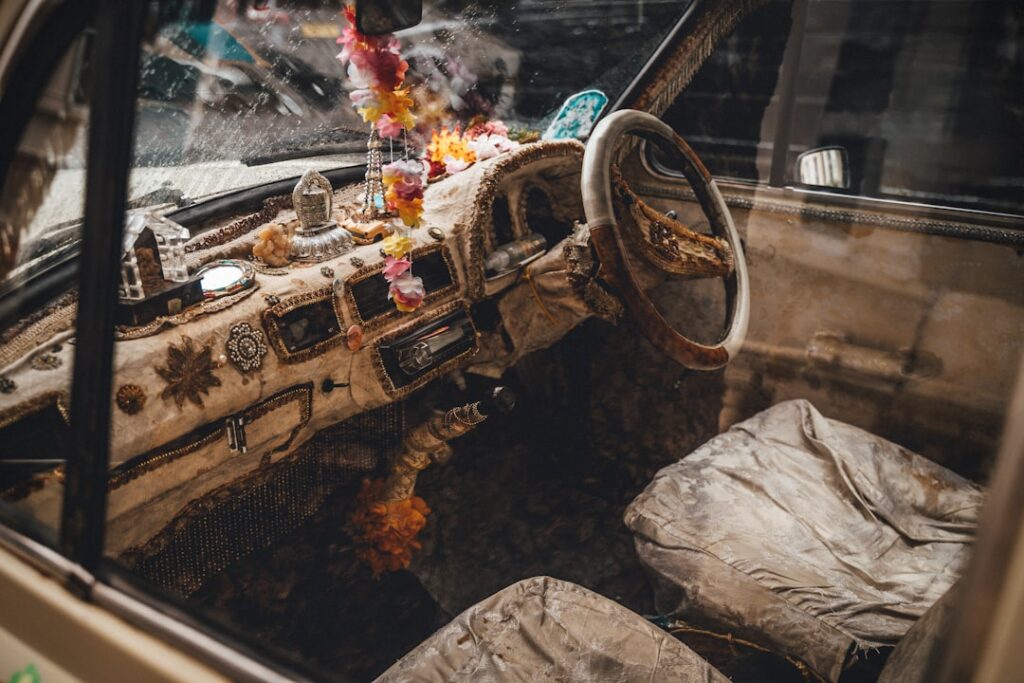
The junk car recycling process is a systematic approach to reclaiming valuable materials from vehicles that have reached the end of their useful life. This process begins with the collection of the junk car, which can be arranged through various means, including towing services or direct drop-off at a recycling facility. Once the vehicle arrives at the facility, it undergoes an initial inspection to assess its condition and determine the best method for dismantling.
This step is crucial as it helps identify which parts can be salvaged and which materials need to be disposed of properly. After the inspection, the vehicle is stripped of its non-metal components, such as plastics, glass, and upholstery. These materials are sorted for recycling or disposal.
The next phase involves draining all fluids, including oil, coolant, and fuel, to prevent environmental contamination. Once the car is stripped down to its metal frame, it is crushed and shredded into smaller pieces. The resulting metal fragments are then sorted using magnets and other technologies to separate ferrous from non-ferrous metals.
This meticulous process ensures that valuable materials are recovered efficiently while minimizing waste.
Key Takeaways
- Junk car recycling in Minnesota involves environmentally responsible dismantling and reuse of vehicle parts.
- Proper disposal of hazardous materials is crucial to prevent environmental contamination.
- Choosing a licensed and reputable recycling facility ensures compliance with state legal requirements.
- Owners can maximize value by preparing their junk cars and understanding which parts are recyclable.
- The Minnesota Pollution Control Agency oversees regulations and issues certificates of destruction for recycled vehicles.
The Environmental Benefits of Junk Car Recycling
Recycling junk cars offers significant environmental benefits that extend beyond mere waste reduction. One of the most notable advantages is the conservation of natural resources. By recycling metals and other materials from junk cars, we reduce the need for mining new raw materials, which can be an environmentally destructive process.
For instance, recycling aluminum saves up to 95% of the energy required to produce new aluminum from bauxite ore. This energy conservation translates into lower greenhouse gas emissions, contributing to a healthier planet. Moreover, junk car recycling helps mitigate pollution.
When vehicles are improperly disposed of, hazardous materials such as battery acid, oil, and heavy metals can leach into the soil and waterways, posing serious risks to ecosystems and human health. By ensuring that these materials are handled correctly during the recycling process, we can significantly reduce the potential for environmental contamination. Additionally, recycling reduces landfill waste, as many components of a junk car can be repurposed or reused rather than ending up in a landfill.
Finding a Licensed and Reputable Junk Car Recycling Facility in Minnesota
When it comes to recycling your junk car in Minnesota, selecting a licensed and reputable facility is paramount. A licensed facility adheres to state regulations and environmental standards, ensuring that your vehicle is disposed of responsibly. To find such a facility, start by conducting thorough research online.
Look for reviews and testimonials from previous customers to gauge the facility’s reputation. Websites like the Better Business Bureau can provide insights into a company’s reliability and customer service. Additionally, consider reaching out to local automotive shops or community organizations for recommendations.
They often have established relationships with reputable recycling facilities and can guide you toward trustworthy options. Once you have a shortlist of potential facilities, visit them if possible. A reputable facility will be transparent about their processes and willing to answer any questions you may have regarding their recycling methods and compliance with environmental regulations.
The Legal Requirements for Junk Car Recycling in Minnesota
In Minnesota, there are specific legal requirements governing the recycling of junk cars to ensure environmental protection and public safety. One of the primary regulations is that all junk cars must be properly titled before they can be recycled. This means that you must have the vehicle’s title in your name or obtain a title from the previous owner if you are not the original owner.
This requirement helps prevent stolen vehicles from being recycled and ensures that ownership is clear.
This includes fluids like oil and coolant, as well as batteries and tires.
Recycling facilities are required to follow strict guidelines for handling these materials to prevent environmental contamination. Failure to comply with these regulations can result in fines and legal repercussions for both the facility and the vehicle owner.
How to Prepare Your Junk Car for Recycling
| Metric | Details |
|---|---|
| Average Junk Car Weight | 3,000 lbs |
| Recycling Rate in Minnesota | 85% |
| Common Recyclable Materials | Steel, Aluminum, Glass, Plastic, Rubber |
| Environmental Benefits | Reduces landfill waste, conserves natural resources, lowers greenhouse gas emissions |
| Average Time to Recycle a Junk Car | 1-3 days |
| Top Junk Car Buyers in Minnesota | Local scrap yards, licensed auto recyclers, online junk car buyers |
| Required Documentation | Title or proof of ownership, photo ID |
| Payment Methods | Cash, check, electronic transfer |
| Environmental Regulations | Compliance with Minnesota Pollution Control Agency guidelines |
| Average Payout for Junk Cars | Varies based on weight and metal prices |
Preparing your junk car for recycling involves several important steps that ensure a smooth process and maximize the value you receive. First, remove any personal belongings from the vehicle. Check under seats, in the glove compartment, and in the trunk for items that may have been left behind.
This not only protects your privacy but also ensures that nothing valuable is inadvertently discarded during the recycling process. Next, gather all necessary documentation related to the vehicle, including the title and any maintenance records you may have. Having these documents ready will facilitate a smoother transaction with the recycling facility.
If your car has any reusable parts or accessories, consider removing them before taking it to the facility. Items like radios, tires, or batteries may have resale value or can be reused in other vehicles.
Getting the Best Value for Your Junk Car
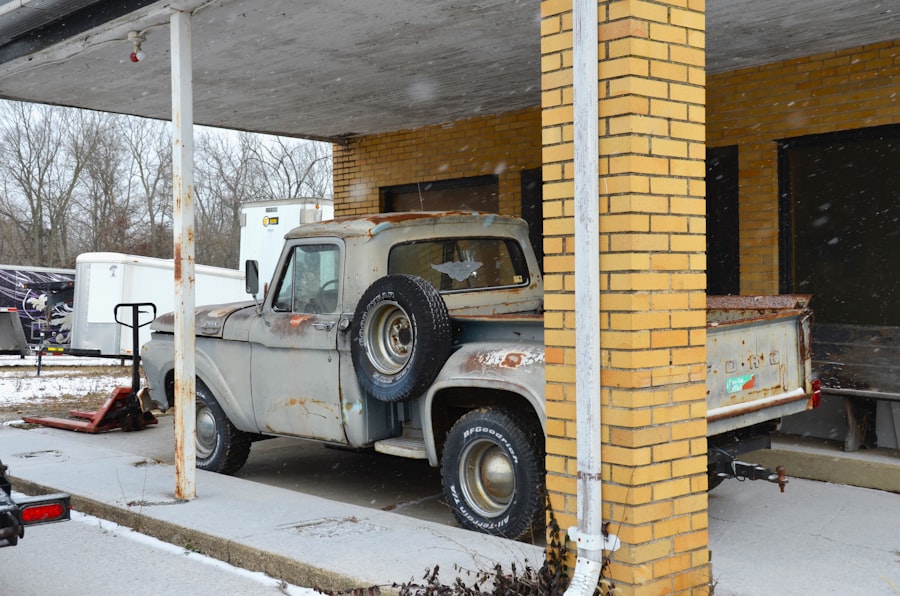
To get the best value for your junk car, it’s essential to do some homework before heading to a recycling facility. Start by researching current scrap metal prices in your area, as these prices fluctuate based on market demand. Knowing the value of your car’s metal components can help you negotiate a fair price with recyclers.
Additionally, consider obtaining quotes from multiple recycling facilities before making a decision. Different facilities may offer varying prices based on their operational costs and demand for specific materials. When you receive quotes, don’t hesitate to ask about any additional fees that may apply, such as towing costs or administrative fees.
By comparing offers and being informed about market conditions, you can ensure that you receive a competitive price for your junk car.
The Different Parts of a Junk Car that Can Be Recycled
A junk car consists of numerous components that can be recycled or repurposed, making it a valuable resource for material recovery. The most significant part is the metal frame itself, which typically comprises steel or aluminum—both of which are highly recyclable materials. In addition to the frame, other metal parts such as engines, transmissions, and wheels can also be salvaged for their metal content.
Beyond metals, various non-metal components can be recycled as well. For instance, tires can be repurposed into products like rubber mulch or asphalt additives. Glass from windows and windshields can be recycled into new glass products or used in construction materials.
Even plastics from dashboards and interior panels can find new life through recycling processes. By understanding which parts of your junk car can be recycled, you contribute to a more sustainable economy while maximizing material recovery.
The Importance of Proper Disposal of Hazardous Materials in Junk Cars
Proper disposal of hazardous materials found in junk cars is critical for protecting both human health and the environment. Vehicles often contain substances such as oil, coolant, brake fluid, battery acid, and heavy metals like lead and mercury—all of which can pose serious risks if not handled correctly. When these materials leak into soil or waterways, they can contaminate ecosystems and harm wildlife.
Recycling facilities are equipped with specialized processes to manage these hazardous materials safely. They follow strict regulations to ensure that fluids are drained and disposed of according to environmental standards. As a vehicle owner, it’s essential to choose a recycling facility that prioritizes proper hazardous material management.
By doing so, you play an active role in preventing pollution and promoting responsible recycling practices.
The Role of the Minnesota Pollution Control Agency in Junk Car Recycling
The Minnesota Pollution Control Agency (MPCA) plays a vital role in overseeing junk car recycling within the state. The agency establishes regulations and guidelines that recycling facilities must follow to ensure compliance with environmental standards. This oversight helps protect natural resources while promoting sustainable practices within the automotive industry.
The MPCA also provides resources and educational materials for both consumers and recyclers about best practices in junk car disposal and recycling. They work to raise awareness about the importance of responsible recycling methods and encourage residents to recycle their vehicles through licensed facilities. By supporting initiatives led by the MPCA, individuals contribute to a cleaner environment while ensuring that their junk cars are recycled responsibly.
How to Obtain a Certificate of Destruction for Your Junk Car
Obtaining a Certificate of Destruction (COD) for your junk car is an important step in completing the recycling process legally and responsibly. A COD serves as proof that your vehicle has been properly disposed of and recycled according to state regulations. To obtain this certificate in Minnesota, you must first ensure that your vehicle has been taken to a licensed recycling facility.
Once your vehicle has been processed at the facility, they will issue you a Certificate of Destruction upon completion of all necessary procedures. This document typically includes details such as your vehicle’s identification number (VIN), make and model, and confirmation that it has been recycled according to state laws. Keeping this certificate is essential for your records; it protects you from any future liability related to the vehicle.
The Future of Junk Car Recycling in Minnesota
The future of junk car recycling in Minnesota looks promising as advancements in technology continue to enhance recycling processes and increase efficiency. Innovations such as automated sorting systems and improved shredding techniques allow recyclers to recover more materials from vehicles than ever before. As public awareness grows regarding environmental issues and sustainability practices, more individuals are likely to choose responsible recycling options for their end-of-life vehicles.
Moreover, legislative efforts aimed at promoting green initiatives may further bolster junk car recycling efforts in Minnesota. As policies evolve to encourage sustainable practices across various industries, we can expect increased support for recycling facilities that prioritize eco-friendly methods. By embracing these changes and continuing to educate consumers about the benefits of junk car recycling, Minnesota can lead by example in fostering a circular economy where resources are reused rather than wasted.
In conclusion, understanding the intricacies of junk car recycling not only empowers individuals but also contributes significantly to environmental sustainability efforts in Minnesota. By choosing licensed facilities, adhering to legal requirements, and preparing vehicles properly for recycling, we can all play our part in promoting responsible disposal practices while reaping economic benefits from our old vehicles. If you have a junk car sitting idle, consider taking action today—recycle it responsibly!
This resource provides valuable insights into the recycling process and tips for ensuring you receive the best possible offer. You can check it out here: Get Paid Top Cash for Lexus RC Junk Cars.
FAQs
What is junk car recycling?
Junk car recycling is the process of dismantling and repurposing old, damaged, or non-functional vehicles. It involves salvaging usable parts, recycling metals, and properly disposing of hazardous materials to reduce environmental impact.
Why is junk car recycling important in Minnesota?
Recycling junk cars in Minnesota helps reduce landfill waste, conserves natural resources by reusing metals and parts, and prevents environmental contamination from fluids and hazardous materials. It also supports the local economy through recycling industries.
How can I recycle my junk car in Minnesota?
To recycle a junk car in Minnesota, you can contact licensed auto salvage yards or junk car buyers who offer towing services. You will need to provide the vehicle title and identification to legally transfer ownership before recycling.
Are there any legal requirements for junk car recycling in Minnesota?
Yes, Minnesota law requires that the vehicle title be transferred to the recycler or salvage yard. Additionally, hazardous materials such as fluids and batteries must be handled and disposed of according to state environmental regulations.
Can I get paid for recycling my junk car in Minnesota?
Yes, many junk car recyclers in Minnesota offer cash payments based on the vehicle’s weight, condition, and market value of scrap metal and parts. It is advisable to get multiple quotes to ensure a fair price.
What happens to the parts of a junk car after recycling?
Usable parts are removed and sold as used auto parts, while metals like steel and aluminum are melted down and recycled into new products. Fluids and hazardous materials are safely disposed of or recycled according to environmental standards.
Is it environmentally safe to recycle junk cars?
Yes, when done properly by licensed recyclers, junk car recycling is environmentally safe. It prevents pollution by safely removing hazardous materials and reduces the need for mining new metals, thereby conserving natural resources.
Can I recycle a junk car without a title in Minnesota?
Recycling a junk car without a title can be challenging in Minnesota. Some recyclers may accept vehicles without titles if you can provide proof of ownership or complete additional paperwork, but it varies by recycler and local regulations.
How long does the junk car recycling process take?
The process typically takes a few days to a week, depending on the recycler’s procedures, vehicle condition, and paperwork processing. Some services offer same-day pickup and payment for convenience.
Where can I find licensed junk car recyclers in Minnesota?
Licensed junk car recyclers can be found through the Minnesota Pollution Control Agency’s website, local business directories, or by searching online for auto salvage yards and junk car buyers in your area. Always verify their licensing and reputation before proceeding.