If you are asking how much is my junk car worth in Minnesota, you are already thinking about the most important part of the selling process: whether the vehicle still has enough value to justify selling it instead of letting it sit. That is a smart question, because many junk cars are worth more than owners expect, while others are worth less because of missing parts, severe damage, or difficult pickup conditions. The real answer depends on a combination of factors, not just one simple number.
Many Minnesota vehicle owners assume a junk car is basically worthless once it stops running, has high mileage, or needs major repairs. That is not always true. A junk car can still have value because of usable parts, recyclable metal, catalytic converter demand, body components, wheel and tire condition, battery value, and the market demand for specific makes and models. On the other hand, a vehicle with major missing parts, severe rust, or heavy structural damage may bring less than expected even if it once had strong resale potential.
This is exactly why a dedicated page on junk car value matters. Users searching how much is my junk car worth in Minnesota are not just browsing. They are usually close to action. They have an unwanted vehicle and want to know whether they should fix it, scrap it, sell it for parts, or sell it as-is for cash. That makes this a strong support page for both SEO and conversion.
At Cash for Cars Twin Cities, sellers can explore options for junk cars, non-running vehicles, damaged cars, older vehicles, and pickup-related selling situations. If you are in the metro area and need a city-based service page, visit Cash for Cars Minneapolis. If the vehicle is clearly a junk vehicle, the page on Cash for Junk Cars Twin Cities is closely related. If the vehicle also needs to be removed, review Junk Car Removal Minneapolis. If the car does not run, you should also see Sell a Non-Running Car for Cash in Minneapolis for condition-specific guidance.
What does “junk car” actually mean?
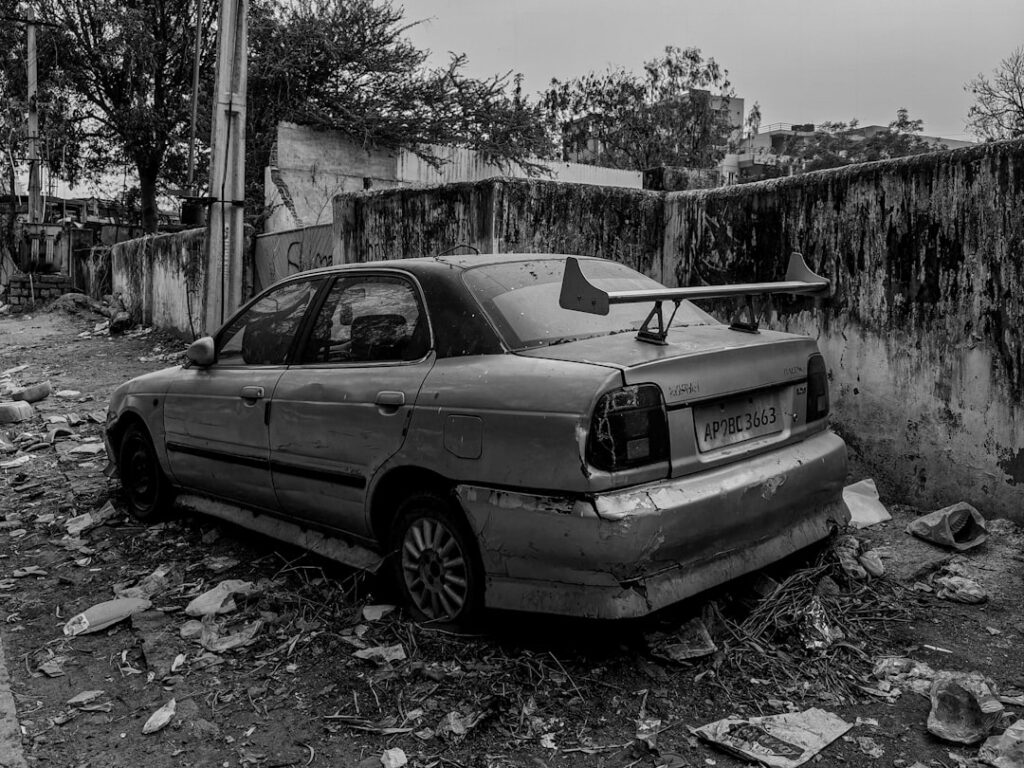
A junk car is not always a completely destroyed vehicle. In most cases, it means a vehicle that has reached the point where repairing, maintaining, or privately selling it no longer makes financial sense. The car may still run poorly, may not run at all, may have accident damage, may have severe rust, or may simply be worth less than the cost of keeping it on the road.
Examples of junk cars include:
- Cars with blown engines
- Vehicles with failed transmissions
- Non-running cars that have been parked for a long time
- Older cars with very high mileage
- Cars with major body damage or rust
- Vehicles with repeated mechanical issues
- Scrap cars with little private-sale value
- Damaged vehicles that are too expensive to repair
That matters because the definition of “junk” is tied to value. A car becomes a junk car not just because it is old, but because its current condition and market position make it better suited for salvage, recycling, or as-is sale rather than normal retail resale.
What determines how much a junk car is worth?
The value of a junk car in Minnesota usually comes down to a few main categories: the vehicle itself, its condition, the salvage demand for its parts, current scrap prices, and the logistics involved in pickup or removal. A realistic valuation looks at all of those together.
The most important factors usually include:
- Year, make, and model
- Overall condition
- Whether the vehicle runs
- Mileage
- Completeness of the vehicle
- Current scrap metal prices
- Demand for reusable parts
- Title and ownership status
- Location and pickup difficulty
No single factor tells the whole story. A newer vehicle with a blown engine may still carry strong value because of its usable parts. An older car with very high mileage may still have decent scrap and parts value if it is complete. A popular truck or SUV can sometimes bring more than a smaller, less desirable car in similar condition. The answer depends on the full picture.
Year, make, and model matter more than many sellers think
One of the first things that affects a junk car’s value is the year, make, and model. This is because some vehicles have stronger salvage demand than others. Popular sedans, trucks, SUVs, and vehicles known for strong parts demand may be worth more in the junk market than a less common or less desirable model. Some makes and models hold better value because parts can be reused, resold, or recycled more easily.
For example, a common truck model with an in-demand engine, transmission, body panels, or wheels may bring more than a small economy car with similar mileage and condition. A popular SUV with collision damage may still have enough intact parts to support a better offer. Meanwhile, a vehicle with low parts demand and heavy wear may be worth mostly its scrap value.
This is why it is not helpful to ask “what is a junk car worth?” in the abstract. The right question is what is your specific vehicle worth in its current condition in your market.
Condition is one of the biggest value drivers
Condition is the next major factor. A junk car does not need to run to have value, but the exact condition affects how much value remains. A non-running but complete vehicle is often worth more than a running car missing major components. A car with body damage but strong salvageable parts may be worth more than a heavily rusted car with no major damage. The details matter.
Condition-related factors include:
- Does the vehicle start?
- Does it drive safely?
- Is the engine intact?
- Is the transmission intact?
- Are the catalytic converter and battery still present?
- Are the wheels and tires usable?
- Is the interior complete?
- Is there severe rust or structural damage?
A complete vehicle is almost always easier to value and often worth more than one that has been stripped. If the wheels are missing, the catalytic converter is gone, or the interior has been removed, the value usually drops. If the vehicle is still mostly complete, even with major mechanical problems, it may still support a stronger offer.
Does a running junk car always have more value than a non-running one?
Not necessarily. It is true that a running vehicle can sometimes be worth more because it is easier to move and may still have some limited resale value. But that is not a universal rule. Some non-running vehicles are worth more than running ones because of strong parts demand, valuable components, or a popular make and model. A running car with severe rust, missing parts, or a weak model profile may still be worth less than a non-running but otherwise complete vehicle.
That is why content on this page should naturally support related searches like how much is a non-running car worth, what is my dead car worth, how much can I get for a junk car that does not start, and is my junk car worth more for parts or scrap. These are different versions of the same user intent.
Scrap value is only one part of the equation
Many people think junk car value is based only on scrap metal prices. Scrap value does matter, but it is not the whole story. A vehicle’s metal weight contributes to its floor value, but salvage buyers also look at the value of reusable components. If the engine, transmission, wheels, catalytic converter, body panels, glass, electronics, or interior parts are still usable, the vehicle may be worth more than raw scrap alone.
This is especially true for popular models with consistent parts demand. In those cases, the buyer is not simply buying metal. They are buying a full vehicle with salvageable assets. That is why two junk cars of similar weight can receive very different offers.
Scrap prices also change over time. That means the lowest-value baseline of a vehicle can rise or fall based on the metals market, but parts demand and local buyer demand still influence the final number. This is another reason a page like this works better when it explains the logic instead of pretending there is a universal price chart.
Why reusable parts matter so much
A junk vehicle may still contain a surprising amount of value in its usable components. Buyers who understand salvage value are not only thinking about whether the car runs. They are looking at what can be reused, recycled, or resold.
Common value-bearing parts include:
- Engine components
- Transmission
- Catalytic converter
- Doors, fenders, bumpers, and body panels
- Headlights and taillights
- Wheels and tires
- Battery
- Seats, trim, and interior pieces
- Mirrors, glass, and electronics
A vehicle with those parts intact often has more value than owners expect. By contrast, a car that has been picked apart for components may be worth much less. That is why sellers should be honest about what is missing when asking for an offer.
How mileage affects junk car value
Mileage still matters, but not in the same way it matters for a normal used-car sale. For a retail car buyer, low mileage can be a major selling point. For a junk car buyer, mileage is one signal among many. Lower mileage can sometimes increase the value of reusable components, especially if the vehicle is otherwise complete. High mileage can reduce confidence in salvageable mechanical parts, but it does not automatically eliminate value.
For example, a high-mileage truck may still have strong body, frame, wheel, or catalytic converter value. A lower-mileage sedan with heavy accident damage may still be worth selling for parts. Mileage should be considered alongside condition, demand, and completeness.
How title and ownership status affect value
Title status does not always change the inherent value of the vehicle, but it can affect how smoothly the sale goes and whether it can move forward right away. If ownership paperwork is missing or unclear, the transaction may be delayed until the issue is resolved. That is why title-related content should be linked from this page.
If you are dealing with title issues, review How to Sell a Junk Car Without Title in Minnesota. A missing title does not always mean the vehicle is worthless, but it can affect timing and transaction complexity. In some cases, a replacement title may be needed before the sale can be completed properly.
Why location and pickup logistics matter
Where the vehicle is located and how easy it is to remove can also influence value. A car that is easy to access in a driveway is simpler to pick up than one blocked behind other vehicles, parked in a tight garage, sunk into soft ground, or missing wheels. Removal difficulty does not always destroy the value, but it can affect the overall economics of the transaction.
This is especially relevant for non-running vehicles and heavily damaged cars. If the car must be winched, dragged, or carefully loaded because it does not roll properly, those logistics matter. That is why pages like Junk Car Removal Minneapolis and Who Will Pick Up My Car for Cash in the Twin Cities? should be connected through internal links.
What usually lowers the value of a junk car?
There are several common things that reduce junk car value. Understanding these helps sellers set realistic expectations and avoid surprises.
- Missing catalytic converter
- Missing wheels or tires
- Missing battery
- Stripped interior
- Severe rust or corrosion
- Heavy body or frame damage
- Flood damage
- Long-term exposure and deterioration
- Incomplete ownership paperwork
- Difficult pickup conditions
A stripped car is generally worth less than a complete one. A severely rusted vehicle may have weak structural value even if it technically still runs. A flooded vehicle may have hidden damage that reduces salvage demand. The more compromised the vehicle is, the more likely the value drops closer to raw scrap value.
What can increase the value of a junk car?
On the other side, there are a few things that can help support a stronger offer.
- Popular make and model with strong parts demand
- Complete vehicle with major parts intact
- Usable wheels, tires, battery, and catalytic converter
- Lower mileage relative to age
- Limited rust
- Easy pickup access
- Clear title or organized ownership paperwork
Even if the vehicle has serious mechanical issues, those positive factors can keep the value above a basic scrap-only estimate. That is one reason sellers should not assume the vehicle is worth almost nothing without first getting a real assessment.
Should you repair a junk car before selling it?
Usually no, especially if the repairs are expensive. A common mistake is putting money into a junk car in hopes of raising the resale value, only to find that the repair cost was higher than the increase in selling price. If the car already has high mileage, rust, accident history, or repeated breakdowns, major repairs often do not make financial sense.
For example, replacing an engine, rebuilding a transmission, fixing collision damage, or solving deep electrical problems can cost far more than the vehicle’s practical market value. In many cases, selling the car as-is is the smarter move. This is especially true when the owner’s goal is to stop dealing with the vehicle and move on quickly.
When a junk car is worth selling sooner rather than later
Waiting too long can lower value. Vehicles that sit tend to deteriorate. Tires deflate, batteries fail, rust spreads, interiors absorb moisture, and components may go missing over time. If the car is already at the point where you know you do not want to keep it, selling sooner is often the better choice.
You may want to sell now if:
- The car has been sitting unused for months or years
- The repair cost is higher than the vehicle’s value
- The vehicle no longer runs or cannot be trusted
- You are paying for storage, insurance, or parking
- The car is taking up needed space
- You want to avoid further deterioration
Junk cars rarely improve with time. In most cases, they become harder to move and less valuable if they continue sitting outdoors or unused. That makes valuation pages like this important because they help owners understand the financial logic behind acting sooner.
How to get the most accurate idea of your junk car’s value
The best way to get a realistic idea of value is to gather the vehicle details and describe the condition honestly. That means having the year, make, model, mileage, and vehicle location ready, along with a clear explanation of whether the car runs, what major problems it has, and whether key parts are missing.
Have this information ready:
- Year, make, and model
- Approximate mileage
- Current location in Minnesota
- Whether the car starts and drives
- Major mechanical problems
- Body damage, rust, or flood history
- Whether the title is available
- Whether the car is complete and accessible for pickup
The more accurate your description, the closer the value estimate will match the real condition of the car. Hiding missing parts or major issues usually creates problems later, while honest information helps the process move faster and more smoothly.
Why this article matters for SEO
This page supports a strong informational-commercial keyword. Users searching how much is my junk car worth in Minnesota are often early-to-mid funnel, but they are not casual readers. They usually have a real vehicle to sell and want to know whether moving forward makes sense. That makes this page ideal for internal linking into higher-conversion service pages.
It also supports many related search terms naturally, including what is my junk car worth, how much can I get for a junk car in Minnesota, junk car value calculator, non-running car value, scrap car price, and how much is a damaged car worth. Long-form content helps capture those variations while keeping the article practical and grounded in real selling situations.
How this page should fit into your internal linking structure
This article should work as a support page that moves users toward the service page matching their exact problem. Someone reading about value may actually need a page about non-running cars, damaged vehicles, pickup, title questions, or metro-specific junk car selling.
Important internal links for this page include:
- Cash for Cars Twin Cities for the main service overview
- Cash for Cars Minneapolis for city-focused intent
- Cash for Junk Cars Twin Cities for junk-vehicle selling intent
- Junk Car Removal Minneapolis for removal-focused intent
- Sell My Junk Car in Minnesota for statewide service intent
- Sell a Non-Running Car for Cash in Minneapolis for dead or broken vehicles
- Who Will Pick Up My Car for Cash in the Twin Cities? for pickup-related intent
- Cash for Wrecked and Damaged Cars in Minnesota for damaged-car value and selling intent
- How to Sell a Junk Car Without Title in Minnesota for title-related questions
That structure helps this page do exactly what it should do: answer the value question, then guide the visitor to the page that best matches their vehicle condition and selling situation.
Common real-world situations this page should speak to
A useful article should sound like it understands what people are actually dealing with. One seller may have a 2008 sedan with a blown transmission and 210,000 miles. Another may have an older SUV with heavy rust but strong salvageable wheels and tires. Another may have a non-running truck with a valuable catalytic converter and a complete body. Another may have a damaged car that still has plenty of usable parts even though insurance considered it a loss. Another may have an old junk car sitting behind the garage and wonder whether it is worth anything at all.
These are the real scenarios behind the keyword. The answer is almost never a flat number. It is a value range based on the vehicle’s actual condition, parts demand, scrap value, and pickup situation. That is the message this page should deliver clearly.
Frequently asked questions
How much is my junk car worth in Minnesota?
The value depends on the year, make, model, condition, completeness, scrap value, parts demand, title status, and pickup difficulty. There is no single fixed price for every junk car.
Is a non-running car still worth money?
Yes. A car that does not run can still have value based on parts, metal, and the demand for its components. Review Sell a Non-Running Car for Cash in Minneapolis for related guidance.
Does missing the title reduce the value?
The missing title does not always change the car’s inherent value, but it can delay the transaction and create paperwork issues. See How to Sell a Junk Car Without Title in Minnesota for more detail.
Is my car worth more for parts or scrap?
That depends on the make, model, condition, and completeness of the vehicle. Cars with strong reusable parts demand may be worth more than raw scrap value alone.
Should I repair my junk car before selling it?
Usually no, especially if the repair is major. Expensive repairs often do not make financial sense on a junk car.
Does pickup affect the value?
Sometimes. If the vehicle is hard to access, does not roll, or requires extra removal effort, that can affect the transaction. Related pages like Junk Car Removal Minneapolis and Who Will Pick Up My Car for Cash in the Twin Cities? explain more about that side of the process.
Final thoughts
If you are asking how much is my junk car worth in Minnesota, the real answer comes from understanding the full picture of the vehicle. The make and model matter. The condition matters. The parts demand matters. Scrap value matters. Pickup logistics matter. Title status matters. The more accurately those pieces are described, the easier it is to understand what the vehicle may be worth and whether selling now makes financial sense.
From an SEO standpoint, this article is an important support page because it attracts high-intent users early enough to answer their key question, then moves them toward the most relevant service page through internal links. That makes it valuable not only for traffic, but also for conversion flow across the wider content cluster.
If your next step is selling the vehicle, start from the main service page, visit Cash for Junk Cars Twin Cities, review Sell My Junk Car in Minnesota, check Cash for Wrecked and Damaged Cars in Minnesota if the car has collision damage, or read How to Sell a Junk Car Without Title in Minnesota if paperwork is part of the problem.