

In an age where environmental consciousness is paramount, the importance of eco-friendly scrap car disposal cannot be overstated. As vehicles reach the end of their life cycle, they often become a burden on the environment if not disposed of properly. Traditional disposal methods can lead to hazardous materials leaking into the soil and water systems, contributing to pollution and health risks.
By opting for eco-friendly disposal methods, individuals can play a crucial role in mitigating these environmental impacts. This not only helps preserve natural resources but also promotes a sustainable future for generations to come. Moreover, eco-friendly scrap car disposal aligns with the growing global movement towards sustainability.
As more people become aware of their carbon footprint, the demand for responsible disposal practices has surged. Eco-friendly disposal methods often involve recycling and reusing materials, which significantly reduces waste and conserves energy. By choosing to dispose of scrap cars responsibly, individuals contribute to a circular economy where materials are continuously repurposed, thus minimizing the need for new raw materials and reducing overall environmental degradation.
Key Takeaways
- Eco-friendly scrap car disposal reduces environmental pollution and conserves natural resources.
- Recycling scrap cars recovers valuable materials and decreases landfill waste.
- Minnesota actively promotes certified eco-friendly disposal services to ensure sustainable practices.
- Proper preparation and adherence to government regulations are essential for responsible scrap car disposal.
- Reusing materials from scrap cars supports the local economy and minimizes environmental impact.
Understanding the Environmental Impact of Scrap Cars
Scrap cars pose a significant environmental threat if not managed properly. These vehicles contain various hazardous materials, including batteries, oils, and fluids that can seep into the ground and contaminate local ecosystems. For instance, lead from batteries can leach into the soil, posing risks to both plant and animal life.
Additionally, the fluids found in scrap cars can create toxic runoff that affects water quality in nearby rivers and lakes. Understanding these impacts is crucial for anyone considering disposing of an old vehicle. Furthermore, the sheer volume of scrap cars contributes to landfill overflow.
In the United States alone, millions of vehicles are retired each year, many of which end up in landfills rather than being recycled. This not only wastes valuable materials but also increases greenhouse gas emissions associated with waste decomposition. By recognizing the environmental implications of scrap cars, individuals can make informed decisions about their disposal options, ultimately leading to more sustainable practices.
The Benefits of Recycling Scrap Cars

Recycling scrap cars offers numerous benefits that extend beyond environmental protection. One of the most significant advantages is resource conservation. Vehicles are made up of a variety of materials, including steel, aluminum, and plastics, all of which can be recycled and repurposed.
By recycling these materials, we reduce the need for new raw materials, which in turn decreases energy consumption and lowers greenhouse gas emissions associated with extraction and processing. In addition to resource conservation, recycling scrap cars can also have economic benefits.
Moreover, many recycling facilities offer cash incentives for scrap vehicles, providing a financial benefit to individuals looking to dispose of their old cars responsibly. This dual advantage of environmental sustainability and economic gain makes recycling an attractive option for many car owners.
Minnesota’s Efforts in Promoting Eco-Friendly Scrap Car Disposal
Minnesota has taken significant strides in promoting eco-friendly scrap car disposal through various initiatives and programs. The state recognizes the importance of responsible vehicle disposal in protecting its natural resources and has implemented regulations that encourage recycling and proper waste management. For instance, Minnesota’s Department of Public Safety has established guidelines for vehicle recycling that ensure hazardous materials are handled safely and responsibly.
Additionally, Minnesota has launched educational campaigns aimed at raising awareness about the benefits of eco-friendly scrap car disposal. These initiatives inform residents about the environmental impacts of improper disposal and provide resources for finding certified recycling facilities. By fostering a culture of sustainability, Minnesota is not only protecting its environment but also setting an example for other states to follow in promoting responsible vehicle disposal practices.
Finding Certified Eco-Friendly Scrap Car Disposal Services in Minnesota
| Metric | Value | Unit | Notes |
|---|---|---|---|
| Annual Scrap Car Disposal Volume | 15,000 | Vehicles | Estimated number of scrap cars disposed in Minnesota per year |
| Recycling Rate | 85 | Percent | Percentage of scrap car materials recycled through eco-friendly processes |
| Average Scrap Car Weight | 1,500 | Kilograms | Average weight of a scrap car processed |
| Steel Recovered | 12,750 | Metric Tons | Estimated steel recovered annually from scrap cars |
| Hazardous Waste Properly Disposed | 98 | Percent | Percentage of hazardous fluids and materials safely removed and disposed |
| Number of Licensed Eco-Friendly Facilities | 25 | Facilities | Facilities certified for eco-friendly scrap car disposal in Minnesota |
| Average Processing Time per Vehicle | 3 | Hours | Time taken to fully process and recycle a scrap car |
| Reduction in Landfill Waste | 90 | Percent | Reduction achieved by diverting scrap cars from landfills |
When it comes to disposing of a scrap car in Minnesota, finding certified eco-friendly disposal services is essential. Numerous resources are available to help individuals locate reputable recycling facilities that adhere to environmental regulations. The Minnesota Pollution Control Agency provides a list of certified recyclers who follow best practices for handling hazardous materials and ensuring proper recycling processes.
In addition to state resources, local community organizations often host events or provide information on eco-friendly disposal options. Many municipalities have designated drop-off locations for scrap vehicles or partner with local recyclers to facilitate responsible disposal. By utilizing these resources, residents can ensure that their scrap cars are disposed of in a manner that minimizes environmental impact while supporting local businesses.
The Process of Eco-Friendly Scrap Car Disposal
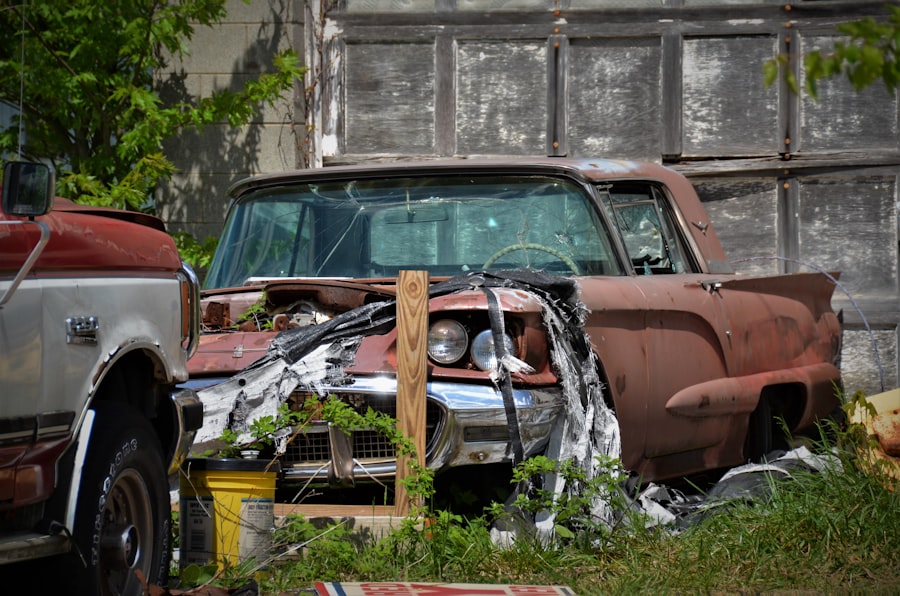
The process of eco-friendly scrap car disposal typically involves several key steps designed to ensure that hazardous materials are managed safely and that recyclable components are recovered effectively. Initially, the vehicle is assessed to identify any hazardous substances that need to be removed before dismantling begins. This may include draining fluids such as oil, coolant, and fuel, as well as removing batteries and other toxic components.
Once hazardous materials are safely removed, the vehicle is dismantled into its constituent parts. Recyclable metals like steel and aluminum are separated from non-recyclable materials such as plastics and glass. The recyclable components are then sent to specialized facilities where they can be processed and repurposed into new products.
This systematic approach not only protects the environment but also maximizes resource recovery from each vehicle.
How to Prepare Your Scrap Car for Eco-Friendly Disposal
Preparing your scrap car for eco-friendly disposal is a straightforward process that ensures compliance with environmental regulations while maximizing recycling potential. First and foremost, it’s essential to remove any personal belongings from the vehicle. This includes items such as clothing, electronics, and any other personal effects that may have been left inside.
Next, check for any hazardous materials that may need special handling. This includes removing the battery and draining fluids like oil and gasoline if you have the knowledge and tools to do so safely.
The Role of Government Regulations in Eco-Friendly Scrap Car Disposal
Government regulations play a pivotal role in ensuring that scrap car disposal is conducted in an environmentally responsible manner. In many regions, laws dictate how hazardous materials must be handled during the dismantling process to prevent contamination of soil and water sources. These regulations often require recycling facilities to obtain permits and adhere to strict guidelines regarding waste management practices.
In addition to regulatory frameworks, government initiatives often promote public awareness about the importance of eco-friendly disposal methods. By providing resources and support for recycling programs, governments encourage citizens to participate in sustainable practices that benefit both the environment and public health. This collaborative effort between regulatory bodies and communities fosters a culture of responsibility towards vehicle disposal.
Reusing and Repurposing Materials from Scrap Cars
One of the most exciting aspects of eco-friendly scrap car disposal is the potential for reusing and repurposing materials from old vehicles. Many components from scrap cars can find new life in various applications beyond their original purpose. For example, metals extracted from vehicles can be melted down and reformed into new products such as construction materials or consumer goods.
Additionally, parts like tires can be repurposed into playground surfaces or used in road construction projects. Even interior components such as seats or dashboards can be refurbished or upcycled into furniture or decorative items. This creative approach not only reduces waste but also highlights the value inherent in what might otherwise be considered junk.
Supporting Local Economy through Eco-Friendly Scrap Car Disposal
Engaging in eco-friendly scrap car disposal not only benefits the environment but also supports local economies. When individuals choose certified recycling facilities within their communities, they contribute to job creation and economic growth in their area. The recycling industry relies on local labor for collection, processing, and resale activities, which helps sustain livelihoods.
Moreover, many local businesses involved in eco-friendly disposal practices prioritize community engagement by offering educational programs or participating in local events focused on sustainability. By supporting these businesses through responsible disposal choices, residents can foster a sense of community while promoting environmentally friendly practices that benefit everyone.
Tips for Minimizing the Environmental Impact of Scrap Car Disposal
To minimize the environmental impact of scrap car disposal further, individuals can adopt several best practices beyond simply choosing eco-friendly services. First, consider donating your vehicle if it is still operational; many charities accept working cars as donations and will handle the necessary paperwork while ensuring that the vehicle is reused or recycled responsibly. Additionally, staying informed about local recycling programs can help you make better choices regarding your vehicle’s end-of-life options.
Participating in community clean-up events or educational workshops on sustainability can also enhance your understanding of responsible disposal practices while connecting you with like-minded individuals committed to protecting the environment. In conclusion, eco-friendly scrap car disposal is an essential practice that benefits both our planet and our communities. By understanding its importance and actively participating in responsible disposal methods, we can collectively work towards a more sustainable future while supporting local economies and preserving our natural resources.
Take action today by researching certified recycling facilities near you or considering alternative options like donation—every small step counts towards making a significant impact!
When considering eco-friendly scrap car disposal in Minnesota, it’s essential to understand the various options available for different vehicle types. For instance, if you own a Honda Element and are looking to dispose of it responsibly, you can find valuable information in this article about getting paid top cash for your junk car. Check it out here: Get Paid Top Cash for Honda Element Junk Cars. This resource not only highlights the financial benefits but also emphasizes the importance of environmentally conscious disposal methods.
FAQs
What is eco-friendly scrap car disposal?
Eco-friendly scrap car disposal refers to the process of recycling and disposing of old or unwanted vehicles in a manner that minimizes environmental impact. This includes properly handling hazardous materials, recycling usable parts, and reducing waste.
Why is eco-friendly scrap car disposal important in Minnesota?
Minnesota has strict environmental regulations to protect its natural resources. Eco-friendly scrap car disposal helps prevent soil and water contamination from hazardous fluids and materials found in vehicles, supports recycling efforts, and reduces landfill waste.
How can I dispose of my scrap car in Minnesota responsibly?
You can dispose of your scrap car responsibly by contacting licensed scrap yards or auto recyclers that follow state environmental guidelines. Many offer free towing and ensure that hazardous materials are safely removed and recycled.
Are there any regulations for scrap car disposal in Minnesota?
Yes, Minnesota has regulations governing the disposal of scrap vehicles, including proper removal of fluids, batteries, and tires. Licensed recyclers must comply with these rules to prevent environmental harm.
Can I get paid for my scrap car in Minnesota?
Yes, many scrap yards and auto recyclers in Minnesota offer payment for scrap cars based on the vehicle’s weight and the current market value of scrap metal.
What happens to my car after I dispose of it through an eco-friendly service?
After disposal, the vehicle is drained of hazardous fluids, dismantled for reusable parts, and the remaining metal is recycled. This process reduces waste and conserves natural resources.
Are there any environmental benefits to recycling scrap cars?
Recycling scrap cars conserves raw materials, reduces energy consumption compared to producing new metal, and prevents pollution from hazardous substances, contributing to a healthier environment.
Can I dispose of any type of vehicle through eco-friendly scrap car disposal in Minnesota?
Most types of vehicles, including cars, trucks, and SUVs, can be disposed of through eco-friendly scrap car services, provided they meet the facility’s acceptance criteria.
How do I find a reputable eco-friendly scrap car disposal service in Minnesota?
You can find reputable services by checking for proper licensing, reading customer reviews, and verifying that the facility complies with Minnesota’s environmental regulations. The Minnesota Pollution Control Agency also provides resources and guidance.