
**The Hidden Costs of Abandoned Vehicles: Understanding the Consequences**
Abandoned vehicles are a common sight in many urban and rural areas, often left to rust and decay. While they may seem like mere eyesores, the implications of these neglected automobiles extend far beyond aesthetics. From environmental concerns to safety hazards, the presence of abandoned vehicles can have a profound impact on communities. This article delves into the various consequences of abandoned vehicles, highlighting the urgent need for action and awareness.
Key Takeaways
- Improper storage of items can lead to environmental damage and attract pests.
- Accumulated clutter poses safety hazards and health concerns.
- Excess belongings may cause a decline in property value and financial loss.
- Space constraints from clutter reduce usable living areas.
- Legal issues and potential theft risks increase with unmanaged possessions.
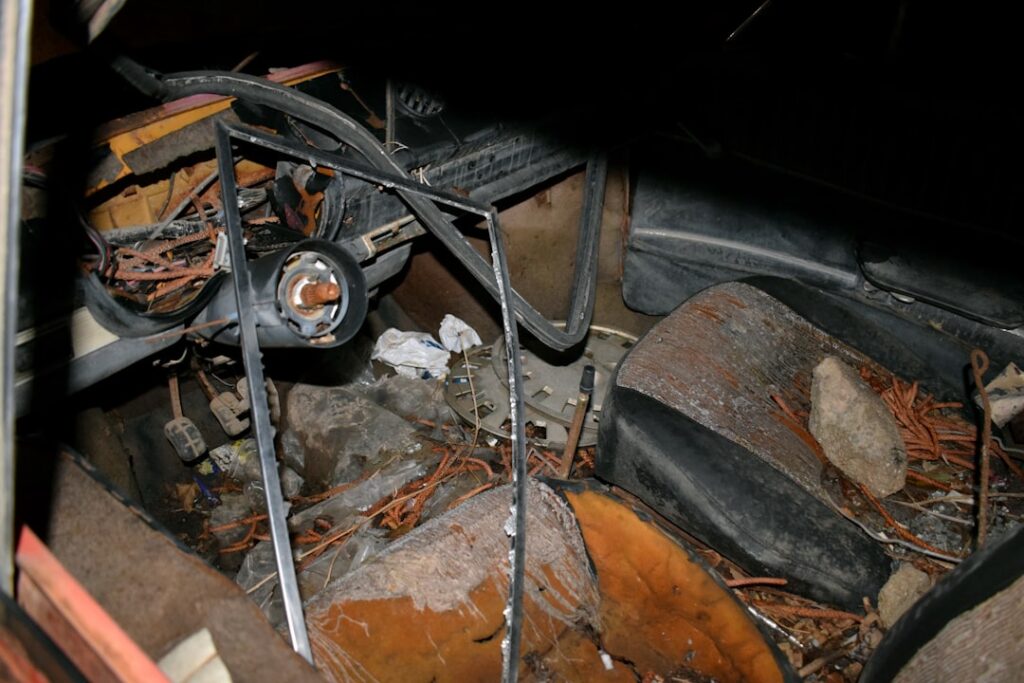
The environmental ramifications of abandoned vehicles are significant and multifaceted. When cars are left unattended, they can leak harmful fluids such as oil, gasoline, and antifreeze into the surrounding soil and waterways. These toxic substances can contaminate local ecosystems, harming wildlife and disrupting natural habitats. The degradation of soil quality can also affect plant life, leading to a decline in biodiversity in the area.
Moreover, abandoned vehicles contribute to urban blight, which can deter community development and reduce property values. The accumulation of rusting metal and broken glass not only creates an unsightly environment but also poses a risk to local wildlife that may ingest or become entangled in debris. Communities must recognize that addressing the issue of abandoned vehicles is crucial for preserving their natural surroundings and promoting a healthier environment for all residents.
If you’re considering the implications of leaving a junk car sitting on your property, you might find it helpful to read a related article that discusses the benefits of selling your vehicle for cash. This article highlights how you can get top cash for your Hyundai Kona, even if it’s no longer in working condition. To learn more about this process and the advantages of getting rid of that old car, check out the article here: Get Paid Top Cash for Hyundai Kona Junk Cars.
Safety Hazards
Abandoned vehicles present numerous safety hazards that can endanger both pedestrians and drivers. These vehicles often occupy valuable parking spaces or obstruct roadways, creating potential traffic hazards. In poorly lit areas, abandoned cars can become hidden dangers, increasing the risk of accidents as drivers may not see them until it’s too late.
Additionally, abandoned vehicles can attract criminal activity. They may serve as hiding spots for illicit activities or become targets for vandalism. The presence of such vehicles can foster a sense of insecurity within a community, leading to increased fear among residents. It is essential for local authorities to address these safety concerns promptly to ensure the well-being of their communities.
Decline in Value

The presence of abandoned vehicles can lead to a significant decline in property values within a neighborhood. Homebuyers are often deterred by the sight of neglected cars littering the streets, as they associate these vehicles with a lack of care and maintenance in the area. This perception can lead to decreased demand for properties, ultimately resulting in lower sale prices.
Furthermore, neighborhoods with high rates of abandoned vehicles may struggle to attract new businesses or investments. Investors typically seek out areas that are well-maintained and visually appealing. When abandoned vehicles dominate the landscape, it sends a message that the community is not thriving, which can stifle economic growth and development.
Space Constraints
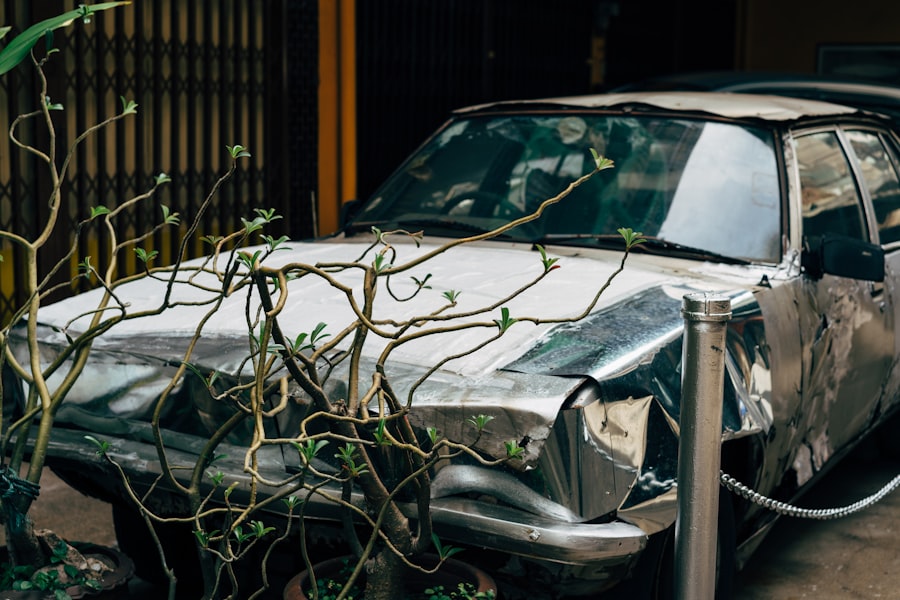
In densely populated urban areas, space is at a premium. Abandoned vehicles occupy valuable real estate that could otherwise be utilized for housing, parks, or community spaces. The presence of these vehicles can exacerbate parking shortages, making it difficult for residents to find adequate parking for their own vehicles.
Moreover, the accumulation of abandoned cars can hinder emergency services’ access to neighborhoods. Fire trucks, ambulances, and police vehicles require clear pathways to respond quickly to emergencies. When roads are blocked by derelict cars, it can delay response times and put lives at risk. Communities must prioritize the removal of abandoned vehicles to ensure that space is used effectively and safely.
If you’re considering the implications of leaving that junk car sitting in your driveway, you might find it helpful to read a related article on the benefits of junk car removal services. These services not only help you reclaim valuable space but also provide a quick and hassle-free way to get cash for your vehicle. For more information on how you can benefit from these services, check out this insightful piece on how to sell your junk car anywhere in Minnesota and discover the advantages of taking action today.
Legal Issues
The presence of abandoned vehicles often leads to a myriad of legal issues for both property owners and local governments. Many municipalities have laws in place regarding the removal of abandoned vehicles; however, enforcement can be challenging. Property owners may find themselves facing fines or penalties if they do not take action to remove abandoned cars from their premises.
Additionally, disputes may arise between neighbors regarding ownership or responsibility for abandoned vehicles. These conflicts can lead to strained relationships within communities and create an atmosphere of tension. Local governments must establish clear guidelines and processes for addressing abandoned vehicles to mitigate these legal complications effectively.
Potential for Theft
Abandoned vehicles can attract criminal activity, including theft and vandalism. Thieves may target these cars for valuable parts or accessories that can be sold on the black market. The presence of multiple abandoned vehicles in an area can signal to criminals that the neighborhood is less vigilant, making it an attractive target for illegal activities.
Moreover, the theft of parts from abandoned vehicles can lead to further deterioration of the remaining cars, creating additional eyesores in the community. This cycle of theft and neglect can perpetuate a sense of lawlessness in an area, making it crucial for communities to take proactive measures against abandoned vehicles.
Health Concerns
The health implications associated with abandoned vehicles are often overlooked but are nonetheless significant. As mentioned earlier, these vehicles can harbor pests that pose health risks through disease transmission. Additionally, the accumulation of hazardous materials leaking from abandoned cars can contaminate soil and groundwater supplies.
Residents living near abandoned vehicles may also experience increased stress and anxiety due to safety concerns and declining neighborhood aesthetics. The psychological impact of living near neglected properties should not be underestimated; it can affect overall community well-being and quality of life.
Financial Loss
The financial repercussions of abandoned vehicles extend beyond property value declines; they can also impose direct costs on local governments and taxpayers. Municipalities often allocate resources to remove abandoned cars, which diverts funds from other essential services such as education or infrastructure improvements.
Furthermore, property owners may face increased insurance premiums if their properties are located near abandoned vehicles due to perceived risks associated with crime or declining property values. This financial burden can strain household budgets and limit residents’ ability to invest in their homes or communities.
Opportunity for Recycling
While abandoned vehicles pose numerous challenges, they also present an opportunity for recycling and repurposing materials. Many components of these cars—such as metal frames, glass windows, and rubber tires—can be salvaged and recycled rather than ending up in landfills. This process not only reduces waste but also contributes to sustainable practices within communities.
Local governments and organizations can implement programs that encourage the recycling of abandoned vehicles, turning a problem into a solution. By promoting awareness about recycling options and providing resources for vehicle disposal, communities can mitigate some negative impacts associated with abandonment while fostering environmentally friendly practices.
Impact on Property Value
Ultimately, the presence of abandoned vehicles has a profound impact on property values within a community. As previously discussed, potential homebuyers are often deterred by neglected surroundings, leading to decreased demand for properties in affected areas. This decline in property values can have long-lasting effects on homeowners’ investments and overall community stability.
Communities must recognize that addressing the issue of abandoned vehicles is not just about aesthetics; it is about preserving property values and fostering a thriving environment for residents. By taking proactive measures to remove abandoned cars and promote responsible vehicle ownership, communities can enhance their appeal and ensure long-term growth.
In conclusion, the consequences of abandoned vehicles extend far beyond mere inconvenience; they encompass environmental degradation, safety hazards, financial loss, and health concerns that affect entire communities. It is imperative for local governments, residents, and organizations to work together to address this pressing issue effectively.
By raising awareness about the impacts of abandoned vehicles and promoting responsible practices, we can create cleaner, safer neighborhoods that benefit everyone involved.
Take action today—advocate for your community’s well-being by addressing the issue of abandoned vehicles head-on!
FAQs
1. Why is it harmful to leave a junk car sitting unused for a long time?
Leaving a junk car sitting unused can lead to environmental hazards such as leaking fluids that contaminate soil and groundwater. It can also attract pests and become a safety hazard.
2. Can a junk car left outside affect the value of my property?
Yes, a junk car can decrease your property’s curb appeal and overall value. It may also violate local ordinances or homeowner association rules, leading to fines or penalties.
3. What environmental risks are associated with abandoned junk cars?
Abandoned junk cars can leak hazardous fluids like oil, gasoline, and antifreeze, which can pollute the environment. They may also contribute to rust and debris buildup in the area.
4. Are there legal consequences for leaving a junk car on private property?
In many areas, leaving a junk car on private property without proper permits or for extended periods can result in fines or legal action. Local laws vary, so it’s important to check regulations in your area.
5. What are the best options for disposing of or recycling a junk car?
The best options include selling the car to a junkyard or scrap yard, donating it to a charity, or using a professional vehicle removal service. These methods ensure proper recycling and disposal of hazardous materials.