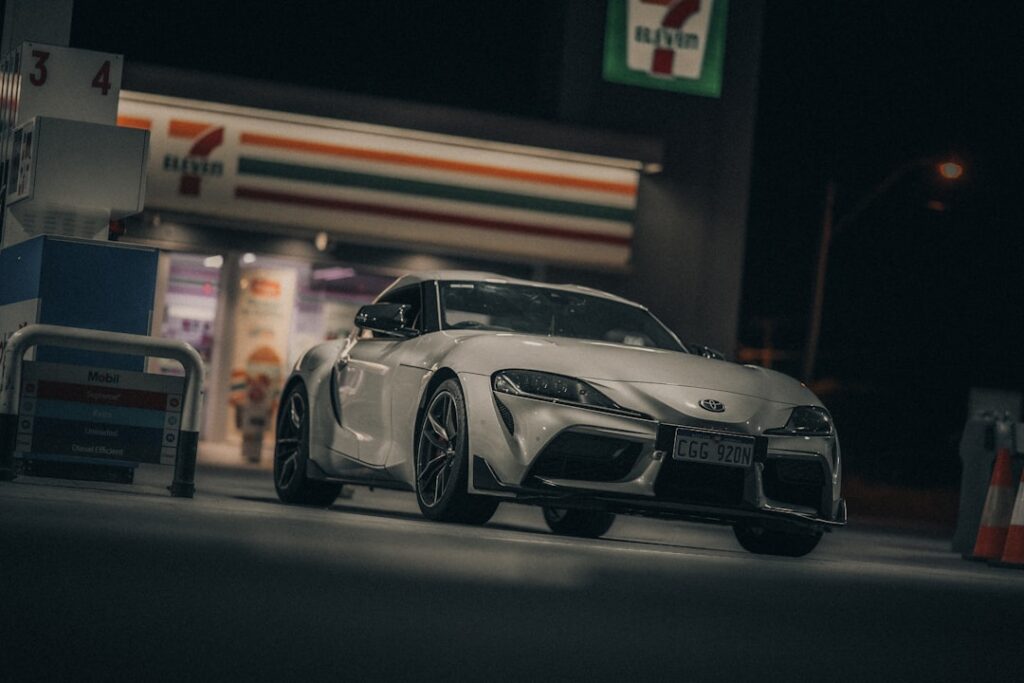
Selling an unused vehicle offers several practical advantages beyond immediate financial returns. The sale frees up physical space previously occupied by the vehicle in garages or driveways, allowing property owners to utilize this area for other purposes such as storage, workspace, or additional parking. From a financial perspective, converting an unused vehicle into cash provides liquid capital that can be applied toward debt reduction, new purchases, or investment opportunities.
Vehicle ownership involves ongoing expenses including insurance premiums, registration fees, maintenance costs, and potential repair expenses. Eliminating these recurring costs through sale reduces overall financial obligations. Additionally, vehicles depreciate in value over time, particularly when not in regular use.
Selling sooner rather than later can help minimize depreciation losses. The proceeds from the sale can be redirected toward assets that better align with current needs or financial goals, potentially providing greater utility or return on investment than an idle vehicle.
Key Takeaways
- Selling your unused vehicle can provide financial benefits and free up space.
- Properly assessing and preparing your vehicle increases its sale value.
- Choosing the right selling method and marketing effectively attract serious buyers.
- Understanding legal paperwork and ownership transfer is crucial for a smooth sale.
- Negotiation skills and safety measures ensure a successful and secure transaction.
Assessing the Value of Your Unused Vehicle
Before you embark on the journey of selling your unused vehicle, it is crucial to assess its value accurately. Understanding the market value will not only help you set a competitive price but also ensure that you do not undervalue your asset. Start by researching similar vehicles in your area through online platforms such as Kelley Blue Book or Edmunds.
These resources provide valuable insights into the average selling prices based on make, model, year, and condition. In addition to online resources, consider factors that may affect your vehicle’s value. The mileage, service history, and overall condition play significant roles in determining worth.
A well-maintained vehicle with low mileage will typically command a higher price than one that has seen better days. Furthermore, any modifications or upgrades can either enhance or detract from the value, depending on buyer preferences. By conducting thorough research and taking these factors into account, you can arrive at a fair and realistic asking price.
Tips for Preparing Your Unused Vehicle for Sale
Preparation is key when it comes to selling your unused vehicle. A well-prepared vehicle not only attracts more potential buyers but can also lead to a quicker sale at a better price. Start by giving your vehicle a thorough cleaning—both inside and out.
A clean car creates a positive first impression and signals to buyers that the vehicle has been well cared for. Consider detailing services if you want to go the extra mile; this can significantly enhance the vehicle’s appeal. Next, gather all relevant documents that potential buyers may want to see.
This includes the title, maintenance records, and any warranties that may still be valid. Having these documents readily available not only streamlines the selling process but also builds trust with potential buyers. Additionally, consider addressing any minor repairs or maintenance issues before listing the vehicle for sale.
A car that is in good working order is more likely to attract serious buyers and command a higher price.
Choosing the Right Method for Selling Your Unused Vehicle
When it comes to selling your unused vehicle, you have several options at your disposal, each with its own set of advantages and disadvantages. One popular method is selling privately through online marketplaces such as Craigslist or Facebook Marketplace. This approach often allows you to set your own price and negotiate directly with buyers, potentially leading to a higher sale price.
However, it also requires more effort in terms of marketing and dealing with inquiries.
While this method is generally more convenient and quicker, it often results in a lower sale price compared to private sales.
Dealerships typically offer trade-in values that are less than what you could achieve through a private sale due to their need to resell the vehicle at a profit. Another option is using car-buying services that specialize in purchasing used vehicles quickly and efficiently. These services often provide instant quotes and handle most of the paperwork for you, making the process hassle-free.
Understanding the Paperwork and Legalities Involved in Selling Your Vehicle
| Metric | Description | Typical Value | Notes |
|---|---|---|---|
| Average Vehicle Age | Age of unused vehicles being sold | 8 years | Older vehicles may have lower resale value |
| Average Cash Offer | Typical cash amount offered for unused vehicles | 1,200 | Varies based on condition and model |
| Time to Sell | Average time from listing to sale | 7 days | Quick sales preferred for unused vehicles |
| Common Vehicle Types | Most frequently sold unused vehicles | Sedans, SUVs, Trucks | Popular models tend to fetch better prices |
| Condition Ratings | Typical condition categories for unused vehicles | Fair, Good, Excellent | Condition impacts cash offer significantly |
| Top Selling Reasons | Common reasons owners sell unused vehicles | Upgrade, Financial Need, No Longer Needed | Understanding reasons helps tailor offers |
Navigating the paperwork and legalities involved in selling your vehicle can seem daunting, but understanding the necessary steps can simplify the process significantly. First and foremost, ensure that you have the title of the vehicle in hand; this document proves ownership and is essential for transferring ownership to the buyer. If there are any liens on the vehicle, you will need to resolve these before proceeding with the sale.
In addition to the title, familiarize yourself with any state-specific requirements for selling a vehicle. Some states may require a bill of sale or specific forms to be filled out during the transaction. It’s also wise to check if there are any emissions or safety inspections required before selling your vehicle.
By being proactive about these legalities, you can avoid potential complications down the line and ensure a smooth transaction.
Marketing Your Unused Vehicle for Sale
Effective marketing is crucial when it comes to selling your unused vehicle quickly and at a desirable price. Start by taking high-quality photographs of your vehicle from various angles—interior and exterior shots are essential. Good lighting can make a significant difference in how appealing your car looks in photos, so consider taking pictures during daylight hours.
When creating your listing, be sure to write a compelling description that highlights the key features of your vehicle. Include details such as mileage, maintenance history, any recent upgrades or repairs, and unique selling points like fuel efficiency or safety ratings. Be honest about any flaws or issues; transparency builds trust with potential buyers and can prevent disputes later on.
Utilize social media platforms and local community boards to spread the word about your sale; word-of-mouth can be an effective marketing tool.
Negotiating with Potential Buyers
Negotiation is an integral part of the selling process and can often determine how successful your sale will be. When engaging with potential buyers, be prepared to discuss your asking price confidently while remaining open to reasonable offers. Establishing a minimum acceptable price beforehand can help you navigate negotiations without feeling pressured to accept an offer that doesn’t meet your expectations.
During negotiations, listen carefully to what buyers are saying; understanding their concerns or objections can provide valuable insights into how to address them effectively. If a buyer points out an issue with the vehicle, be ready to discuss how it affects the price or offer solutions such as including a warranty or covering minor repairs before the sale. Remember that negotiation is about finding common ground; aim for a win-win outcome where both parties feel satisfied with the deal.
Completing the Sale of Your Unused Vehicle
Once you’ve reached an agreement with a buyer, it’s time to finalize the sale of your unused vehicle. Begin by preparing a bill of sale that outlines the terms of the transaction, including the sale price, date of sale, and both parties’ signatures. This document serves as proof of the transaction and protects both you and the buyer should any disputes arise later.
Next, ensure that all necessary paperwork is completed accurately before handing over the keys. This includes signing over the title to the buyer and providing them with any additional documents they may need for registration purposes. It’s advisable to keep copies of all documents for your records as well.
Once everything is signed and exchanged, collect payment—preferably in cash or through a secure method like a bank transfer—to avoid any issues related to bounced checks or payment disputes.
Handling the Transfer of Ownership and Registration
Transferring ownership and registration is a critical step in ensuring that both you and the buyer are protected after the sale is complete. After signing over the title, guide the buyer through their state’s process for registering the vehicle in their name. This may involve submitting specific forms or paying fees at their local Department of Motor Vehicles (DMV).
Providing assistance during this process can enhance their experience and reflect positively on you as a seller. Additionally, notify your insurance company about the sale of your vehicle as soon as possible. This step is essential for protecting yourself from liability should any incidents occur involving the vehicle after it has been sold.
Depending on your state’s laws, you may also need to file a notice of transfer with local authorities to officially document that you are no longer responsible for the vehicle.
Ensuring a Smooth and Safe Transaction
Safety should always be a priority when selling your unused vehicle. To ensure a smooth transaction, consider meeting potential buyers in public places during daylight hours rather than at your home or isolated locations. This practice not only enhances safety but also creates an environment where both parties feel comfortable discussing the sale.
When it comes time for payment, opt for secure methods such as cash or bank transfers rather than personal checks or money orders which can be subject to fraud. If accepting cash, consider meeting at a bank where you can deposit it immediately for added security. By taking these precautions, you can minimize risks associated with selling your vehicle while ensuring that both you and the buyer have a positive experience.
Making the Most of the Cash from Selling Your Unused Vehicle
After successfully selling your unused vehicle, it’s time to think about how best to utilize that cash influx. One option is to pay off any outstanding debts; reducing financial burdens can provide peace of mind and improve your overall financial health. Alternatively, consider investing in something that adds value to your life—whether it’s upgrading another vehicle, saving for future expenses, or even taking that long-awaited vacation.
If you’re unsure about how to allocate these funds effectively, creating a budget can help guide your decisions. Prioritize needs over wants and consider setting aside some money for emergencies or unexpected expenses that may arise in the future. By being strategic about how you use the cash from selling your unused vehicle, you can enhance your financial stability while enjoying newfound freedom from an asset that no longer served you.
In conclusion, selling an unused vehicle can be an empowering experience that offers numerous benefits—from decluttering your space to boosting your finances. By following these steps—from assessing value and preparing for sale to navigating paperwork and ensuring safe transactions—you can maximize both profit and satisfaction from this endeavor. So take action today; turn that idle asset into cash and open up new possibilities for yourself!
If you’re looking to turn your unused vehicle into cash, you might also be interested in how you can donate your junk car and potentially receive a tax deduction. For more information on this topic, check out the article on donating your junk car for a tax deduction in Andover. This resource provides valuable insights on how to maximize the benefits of your old vehicle while contributing to a good cause.
FAQs
What types of vehicles can I sell to turn into cash?
You can sell a wide range of vehicles including cars, trucks, motorcycles, SUVs, and even recreational vehicles like boats or RVs. Most buyers accept vehicles regardless of condition, whether they are running or not.
How do I determine the value of my unused vehicle?
The value of your vehicle depends on factors such as its make, model, year, mileage, condition, and market demand. You can use online valuation tools, check classified ads, or get appraisals from dealerships or junkyards to estimate its worth.
What are the common methods to sell an unused vehicle?
Common methods include selling privately through online marketplaces, trading it in at a dealership, selling to a junkyard or scrap yard, or using specialized vehicle buying services that offer quick cash.
Do I need to provide any documents when selling my vehicle?
Yes, you typically need to provide the vehicle title (proof of ownership), a valid ID, and sometimes a bill of sale. Requirements may vary by location, so check local regulations before selling.
Can I sell a vehicle that is not running?
Yes, many buyers purchase non-running vehicles for parts or scrap metal. Selling a non-running vehicle may yield less money than a running one, but it is still possible to turn it into cash.
Are there any fees or costs involved in selling my unused vehicle?
Some selling methods may involve fees, such as listing fees on online platforms or towing costs if the vehicle is not drivable. However, many buyers offer free vehicle pickup and no upfront fees.
How quickly can I get cash for my unused vehicle?
The timeline varies depending on the selling method. Private sales may take longer, while selling to a junkyard or using a vehicle buying service can often result in same-day cash payment.
Is it better to sell my vehicle privately or to a dealer?
Selling privately may get you a higher price but requires more effort and time. Dealers offer convenience and quick transactions but often at a lower price. Consider your priorities when choosing the method.
What should I do before selling my unused vehicle?
Prepare your vehicle by cleaning it, gathering all necessary documents, and removing personal belongings. It’s also helpful to get a vehicle history report and be honest about the vehicle’s condition to potential buyers.
Are there environmental benefits to selling or recycling an unused vehicle?
Yes, selling or recycling an unused vehicle helps reduce waste and allows parts and materials to be reused or properly disposed of, which is better for the environment than abandoning or dumping the vehicle.